Ottieni l'esperienza completa con CardRules+
Oltre 300 giochi con lettura vocale, pianificatore serate di gioco e accesso offline.
Scarica su Google Play- Usa un mazzo di Quartetti o un mazzo standard diviso in gruppi.
- Distribuisci le carte equamente tra i giocatori.
- Chiedi a un avversario specifico una carta di un gruppo.
- Se ce l'ha, la ottieni e continui a chiedere.
- Se non ce l'ha, passa il turno.
- Completa un quartetto mettendolo davanti a te.
- Il giocatore con più quartetti vince.
- Il gioco finisce quando tutte le carte sono in quartetti.
Regole
Quartetti è un popolare gioco per bambini in cui i giocatori raccolgono set di quattro carte dello stesso gruppo chiedendole agli avversari. Il giocatore con più quartetti vince.
Obiettivo
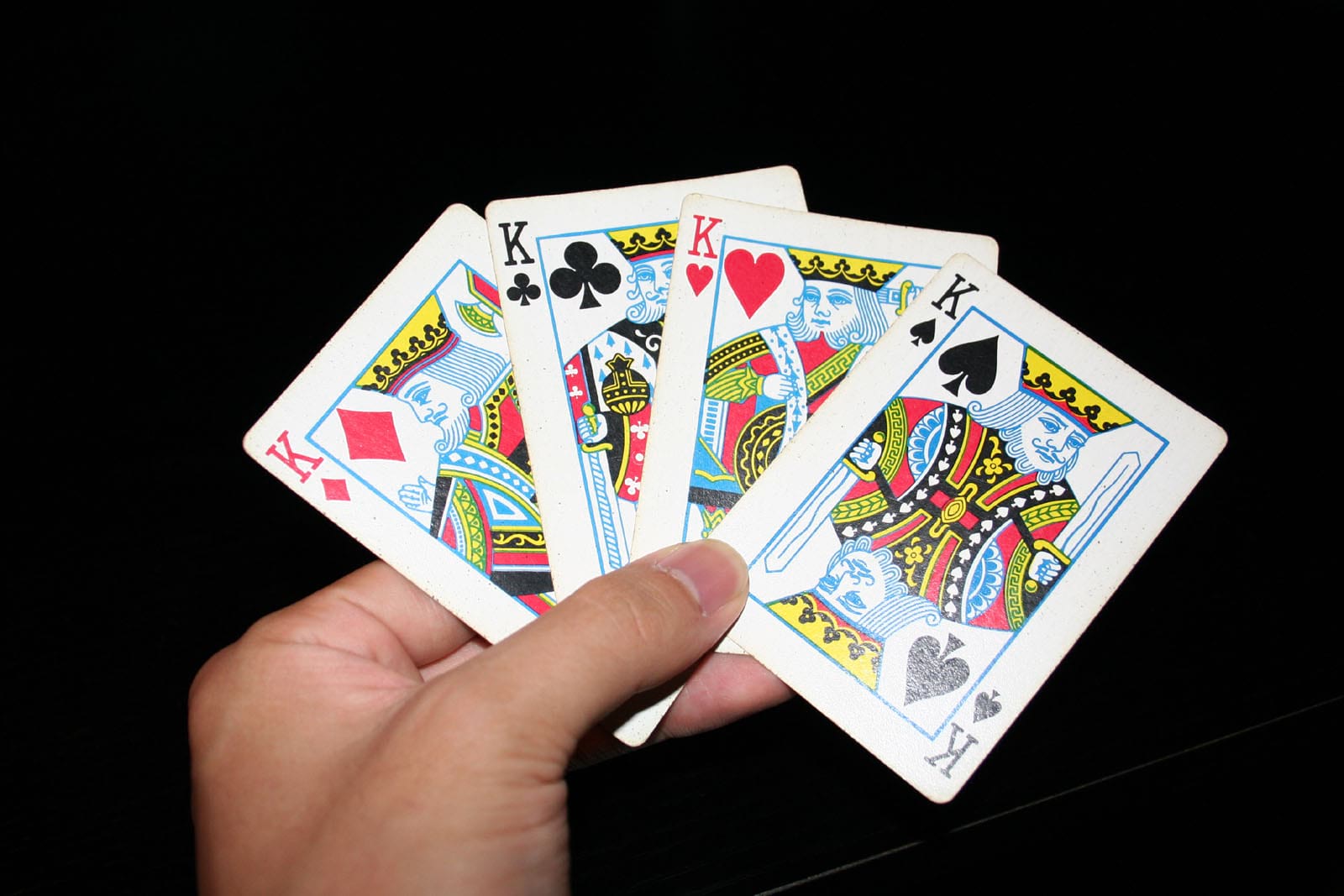
Raccogliere più quartetti (quattro carte correlate dello stesso gruppo) degli altri giocatori.
Preparazione
Si usa un mazzo speciale di Quartetti (o un mazzo standard diviso in gruppi tematici). Distribuisci le carte equamente tra i giocatori.
- Players: Quartets can be played with two or more players.
- Deck: Use a specialized Quartets deck or a standard 52-card deck, depending on player preference.
- Dealing: Shuffle the deck and deal all cards evenly to each player. There is no draw pile.
Basi del gioco
A turno, un giocatore chiede a un avversario specifico una carta di un gruppo particolare. Se l'avversario ha la carta, deve consegnarla. Se non ce l'ha, il turno passa.
- Asking for Cards: Players take turns asking a specific opponent for a card they need to complete a set. If the opponent has the requested card, they must give it to the asking player. If not, the turn passes to the player who was asked (they become the next asker).
- Collecting Quartets: When a player collects all four cards of a set (a quartet), they place the set face-up in front of them.
- Strategic Play: Players strategically ask opponents for specific cards while trying to deduce which cards opponents are collecting. Players must always answer truthfully and hand over requested cards if they have them. A player may only ask for a rank if they already hold at least one card of that rank.
- Winning: The game continues until all quartets have been collected from the deck. The player with the most quartets at the end of the game is declared the winner.
Regole e varianti speciali
Alcune varianti permettono di chiedere qualsiasi carta, non solo una specifica. Altre varianti usano mazzi tematici con personaggi o animali.
- Variety of Decks: Quartets decks come in various themes and categories, allowing players to choose decks that match their interests.
- Special Cards: Some Quartets decks include special cards with unique abilities or effects that can alter gameplay.
- Custom Rules: Players can create custom rules or variations to add complexity or adjust the difficulty level of the game.
Esempio di round
Se hai 2 carte del gruppo 'Cani', puoi chiedere a un avversario le altre due carte del gruppo. Se le ottieni, metti il quartetto davanti a te.
- Player A asks Player B for a specific card to complete a quartet.
- If Player B has the requested card, they give it to Player A, who then takes another turn.
- If Player B does not have the requested card, Player A draws a card from the draw pile.
- The game continues with players taking turns until all quartets have been collected.
Consigli e strategia
Ricorda le richieste degli avversari per dedurre le carte nelle loro mani.
Tieni traccia delle richieste degli avversari per anticipare le loro strategie.
Curiosità e aneddoti
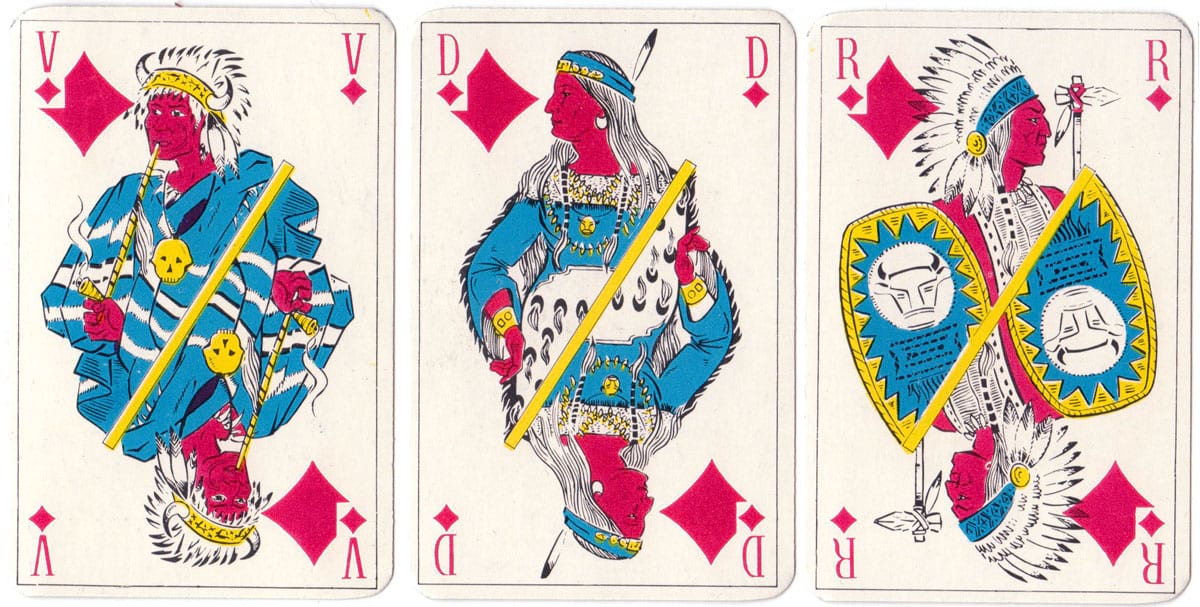
Lo sapevi? I mazzi di Quartetti spesso hanno temi come animali, paesi o personaggi famosi.
Quante carte compongono un quartetto? Quattro carte dello stesso gruppo.
Storia e cultura
Quartetti è un gioco tradizionale popolare in Europa, con varianti in molti paesi.
Quartetti è un classico gioco educativo che aiuta i bambini a sviluppare la memoria e le abilità di classificazione.
Varianti e regole della casa
Le varianti includono mazzi tematici diversi e regole per chiedere qualsiasi carta.
Usa mazzi tematici su argomenti che interessano i bambini.