Get the full experience in CardRules+
300+ games with text-to-speech, game night planner, quick reference cards, and offline access.
Download on Google Play- Deal the entire deck as evenly as possible to 3-7 players.
- Some players may have one extra card.
- Play a 7 to start a new suit sequence.
- Extend an existing sequence one card up (toward King) or down (toward Ace).
- Pass if you cannot play any card.
- First to empty their hand wins.
- In scoring versions, remaining cards count as penalty points.
Rules
Sevens is a card-shedding game where players build sequences outward from the sevens in each suit. Starting from the 7, players extend the sequence up to King and down to Ace, aiming to empty their hand first.
Objective
Be the first player to play all cards from your hand by adding them to the growing suit sequences that radiate from the sevens.
Setup
- Players: 3 to 7 players.
- Deck: Standard 52-card deck.
- Deal: Deal the entire deck as evenly as possible. Some players may have one extra card.
Gameplay
- Starting: The player holding the 7 of Diamonds (or any agreed suit) plays it to the table to begin.
- Playing Cards: On your turn, play a card that extends one of the four suit sequences. You may play a 7 to start a new suit's sequence, or play the next card above or below an existing sequence.
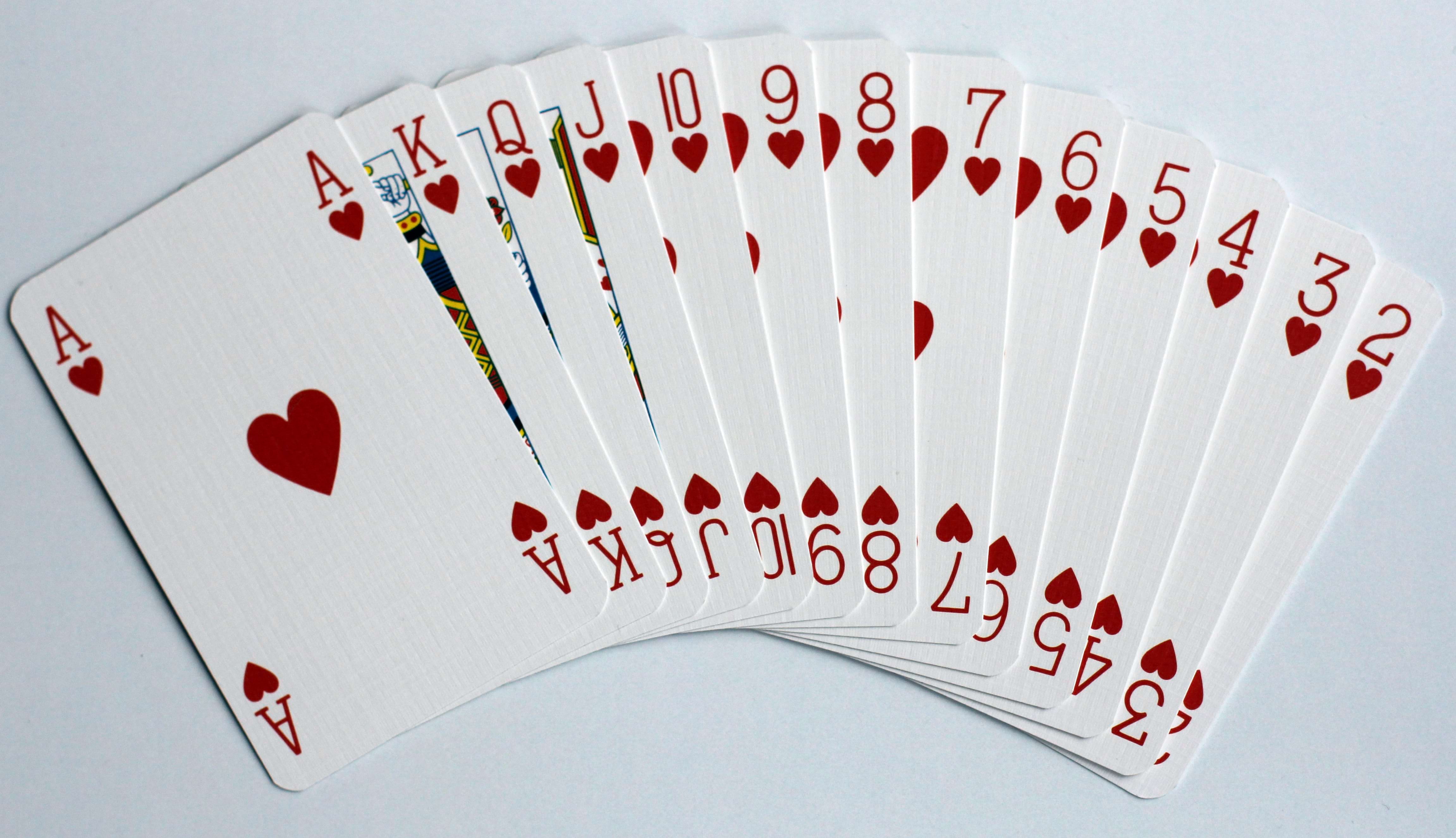
- Sequences: Each suit builds outward from its 7 — upward through 8, 9, 10, J, Q, K, and downward through 6, 5, 4, 3, 2, A.
- Passing: If you cannot play any card, you pass your turn.
Winning
The first player to play all of their cards wins. In scoring versions, remaining players count their unplayed cards as penalty points.
Tips and Strategies
- Hold onto 7s to control when new suit sequences open, potentially blocking opponents.
- Play cards that give you the most future options rather than simply the first legal play you see.
- Track which cards opponents are passing on to deduce what they are holding back.
Tips & Strategy
The decision of when to play your sevens is the heart of the strategy. Withholding a 7 blocks an entire suit for all players, but it also blocks your own cards in that suit.
Advanced players think several moves ahead, choosing plays that open sequences for their own cards while keeping sequences blocked for opponents.
Trivia & Fun Facts
In Japan, the game is called 'Shichi Narabe' (Seven Arrangement) and is one of the most commonly played card games among children.
In Sevens, what rank card must be played to start a new suit sequence?
History & Culture
Sevens has been played across Europe and Asia for centuries under many names. In Britain it is called Fan Tan; in France, it is Dominos.
Sevens is one of the most universally known card games in the world, popular across Europe, Asia, and the Americas as both a children's game and a serious strategic contest.
Variations & House Rules
Some versions penalize passing with tokens or penalty points. Others allow playing multiple cards in a single turn if they extend the same sequence.
Add a limit of three passes per player before elimination for a faster, more aggressive game. Some groups allow playing 6-to-Ace and 8-to-King simultaneously if both are available.