Get the full experience in CardRules+
300+ games with text-to-speech, game night planner, quick reference cards, and offline access.
Download on Google Play- 4 players form 2 partnerships, sitting opposite each other.
- Deal all 52 cards evenly, 13 per player.
- Use a bidding phase to determine trump suit and contract.
- Player to declarer's left leads the first trick.
- Follow suit if possible; otherwise play any card.
- Highest card of led suit or highest trump wins the trick.
- Dummy's hand is played face-up by the declarer.
- Major suits (Hearts/Spades) score 30 per trick; minor suits 20.
- Small Slam (12 tricks) and Grand Slam (13 tricks) earn large bonuses.
- Failing the contract gives defenders 50-100 points per undertrick.
Rules
Bridge is a strategic card game played with four players in partnerships. It is known for its depth of strategy and communication between partners. The game involves bidding, playing tricks, and scoring points. The ultimate objective is to accumulate points through successful bidding and trick-taking.
Players
Bridge is played with 4 players in partnerships of two. Partners sit opposite each other at the table, forming two teams.
Card Deck
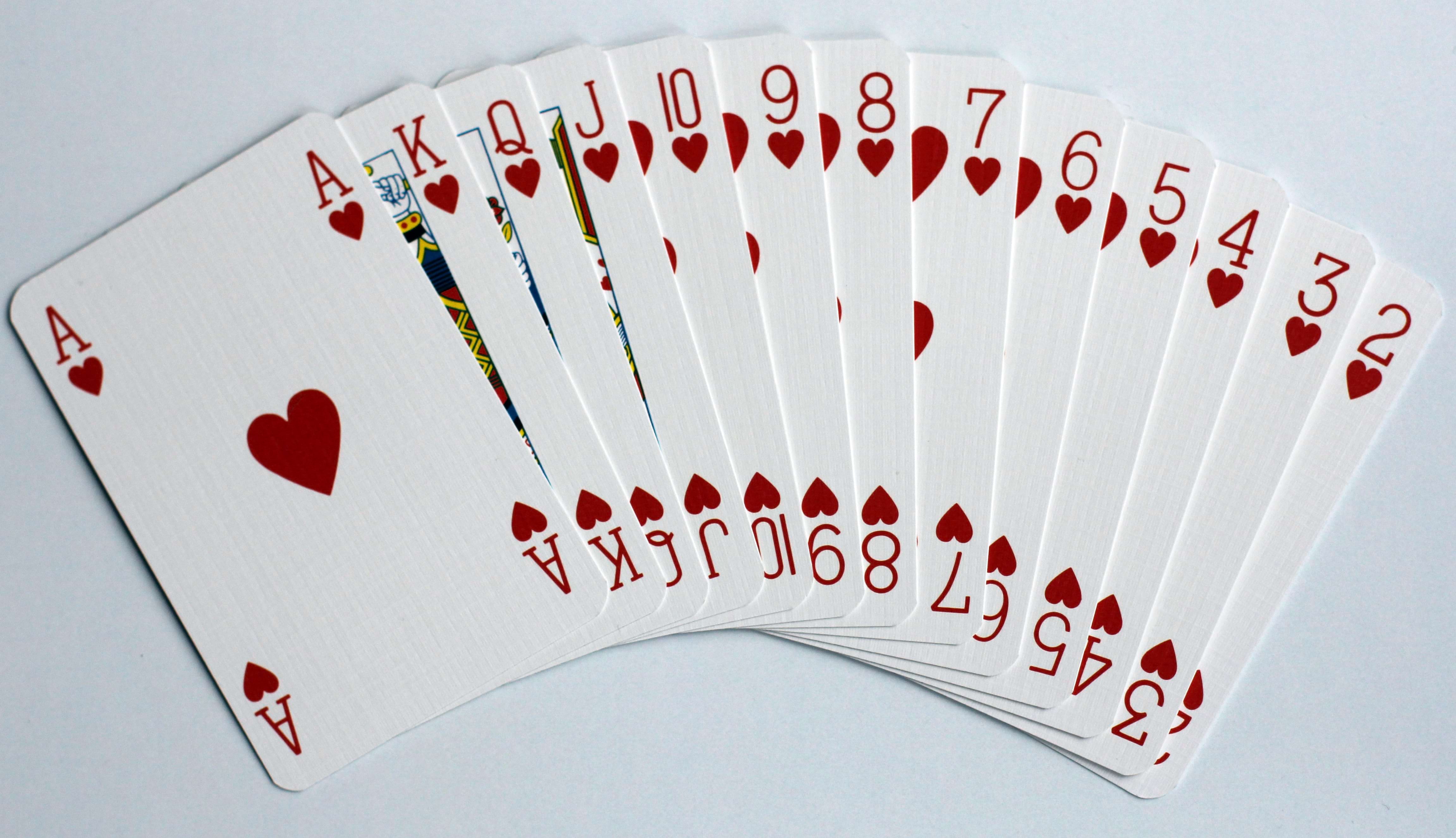
A standard 52-card deck is used. The ranking of the cards from highest to lowest is: Ace (A), King (K), Queen (Q), Jack (J), 10, 9, 8, 7, 6, 5, 4, 3, 2.
Objective
The primary objective of Bridge is to score points by winning tricks. Tricks are won by playing the highest-ranking card in the suit led or by playing a trump card if a trump suit has been declared during the bidding phase.
Setup
- Shuffle the deck thoroughly and determine the dealer.
- The dealer distributes all 52 cards, 13 to each player, one at a time, in a clockwise direction.
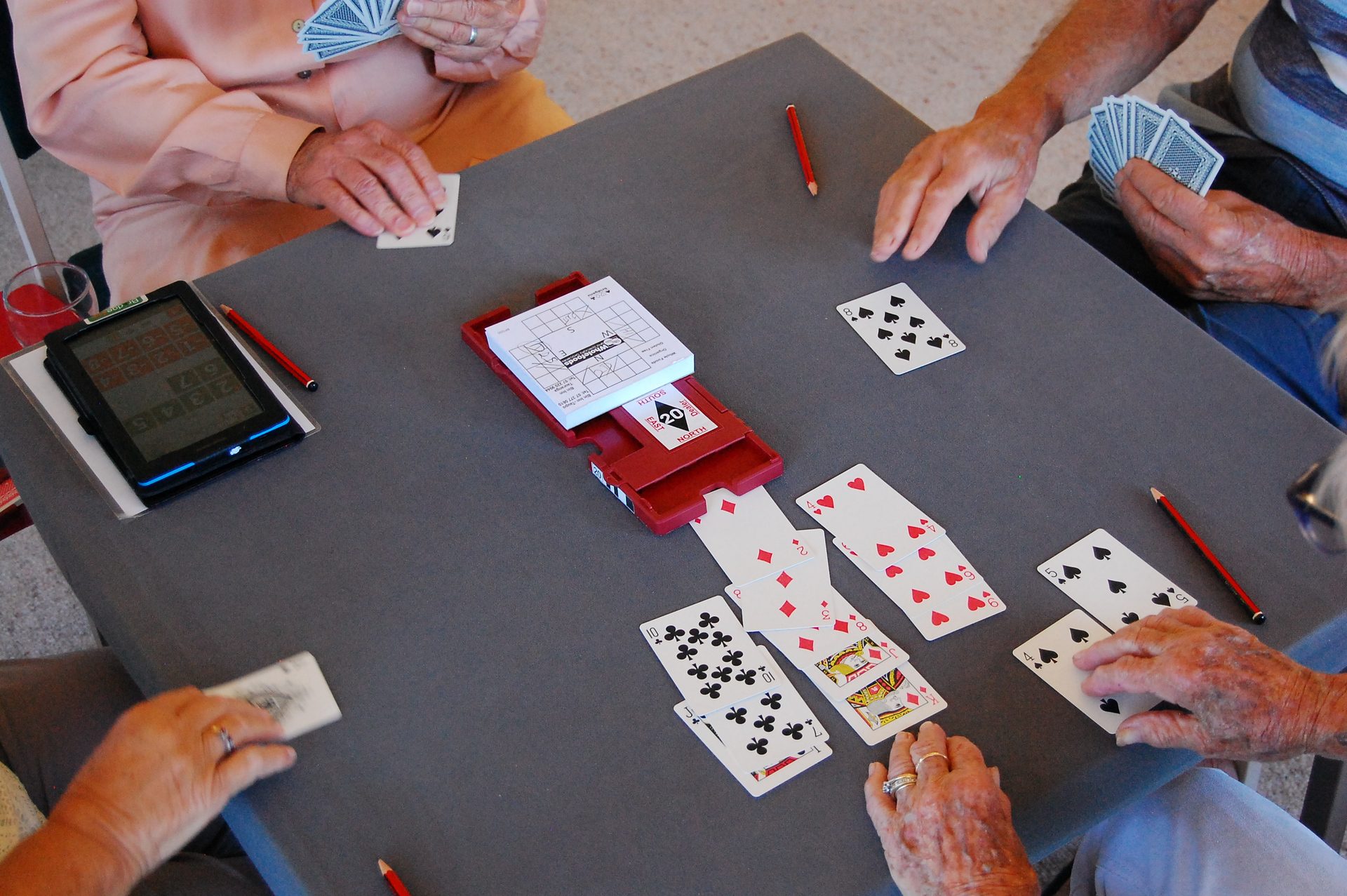
- The bidding box, positioned at the center of the table, contains bidding cards used during the auction phase to communicate bids effectively.
Bidding Phase
- Initiation: The bidding phase begins with the dealer, and players take turns bidding clockwise around the table.
- Communication: Players use bids to communicate information about their hands to their partners. Bids consist of a number indicating the number of tricks and a suit or "no trump."
- Contract Determination: The highest bid becomes the contract, setting the trump suit or declaring "no trump" and determining the number of tricks required.
- Declarer and Dummy: The player who made the final bid becomes the declarer, and their partner becomes the dummy. The declarer plays both hands during the game.
Play of the Hand
- Dummy's Hand: After the contract is determined, the dummy's hand is laid face-up on the table for all players to see.
- Trick-taking: The player to the left of the declarer leads the first card. Players must follow suit if possible; otherwise, they can play any card.
- Winning Tricks: The highest card of the suit led, or the highest trump card if any, wins the trick. The winning player leads to the next trick.
Scoring
- Contract Trick Points: Minor suits (Clubs, Diamonds): 20 points per trick. Major suits (Hearts, Spades): 30 points per trick. No-trump: 40 points for the first trick, 30 for each subsequent trick.
- Overtricks: Each trick taken beyond the contract earns additional points at the same per-trick values.
- Slam Bonuses: Small Slam (12 tricks): 500 points (not vulnerable) or 750 points (vulnerable). Grand Slam (13 tricks): 1000 points (not vulnerable) or 1500 points (vulnerable).
- Honors Bonus: 150 points for all five trump honors, 100 points for any four. In no-trump, holding all four Aces earns 150 points.
- Trick Penalties: If the declarer fails to fulfill the contract, the defending partnership earns 50 points per undertrick (not vulnerable) or 100 points per undertrick (vulnerable). Penalties increase if the contract was doubled or redoubled.
End of Hand
- Dealer Rotation: After scoring, the player to the left of the previous dealer becomes the new dealer.
- Game Continuation: The game continues until a predetermined number of hands have been played, or until one partnership reaches the winning score threshold.
Bidding Conventions
Bridge incorporates numerous bidding conventions such as Stayman, Blackwood, Jacoby Transfer, and Gerber. These conventions enhance communication and strategic planning during the bidding phase.
Etiquette
Bridge is steeped in tradition and etiquette. Players are expected to maintain the pace of play, refrain from giving unauthorized information, and show respect to partners and opponents.
Variations
While Contract Bridge is the most widely played variation, other versions include Rubber Bridge, Chicago Bridge, and Duplicate Bridge, each with its own set of rules and scoring methods.
Tips and Strategies
- Effective Communication: Establish a clear system of bids with your partner to convey information about your hand accurately.
- Observation and Analysis: Pay close attention to opponents' bids and play for valuable insights into card distribution.
- Strategic Planning: Think ahead and formulate a comprehensive strategy for each hand. Adapt your tactics based on evolving game dynamics.
Tips & Strategy
Communication with your partner is crucial in Bridge. Develop a system for bidding and signaling to convey information effectively.
Mastering defensive play is as important as declarer play in Bridge. Anticipate your opponents' strategies and disrupt their communication.
Trivia & Fun Facts
The World Bridge Federation (WBF) is the international governing body of contract bridge. It organizes world championships and promotes the game globally.
In Bridge, what is the term for a bid that specifies the number of tricks a partnership commits to taking?
History & Culture
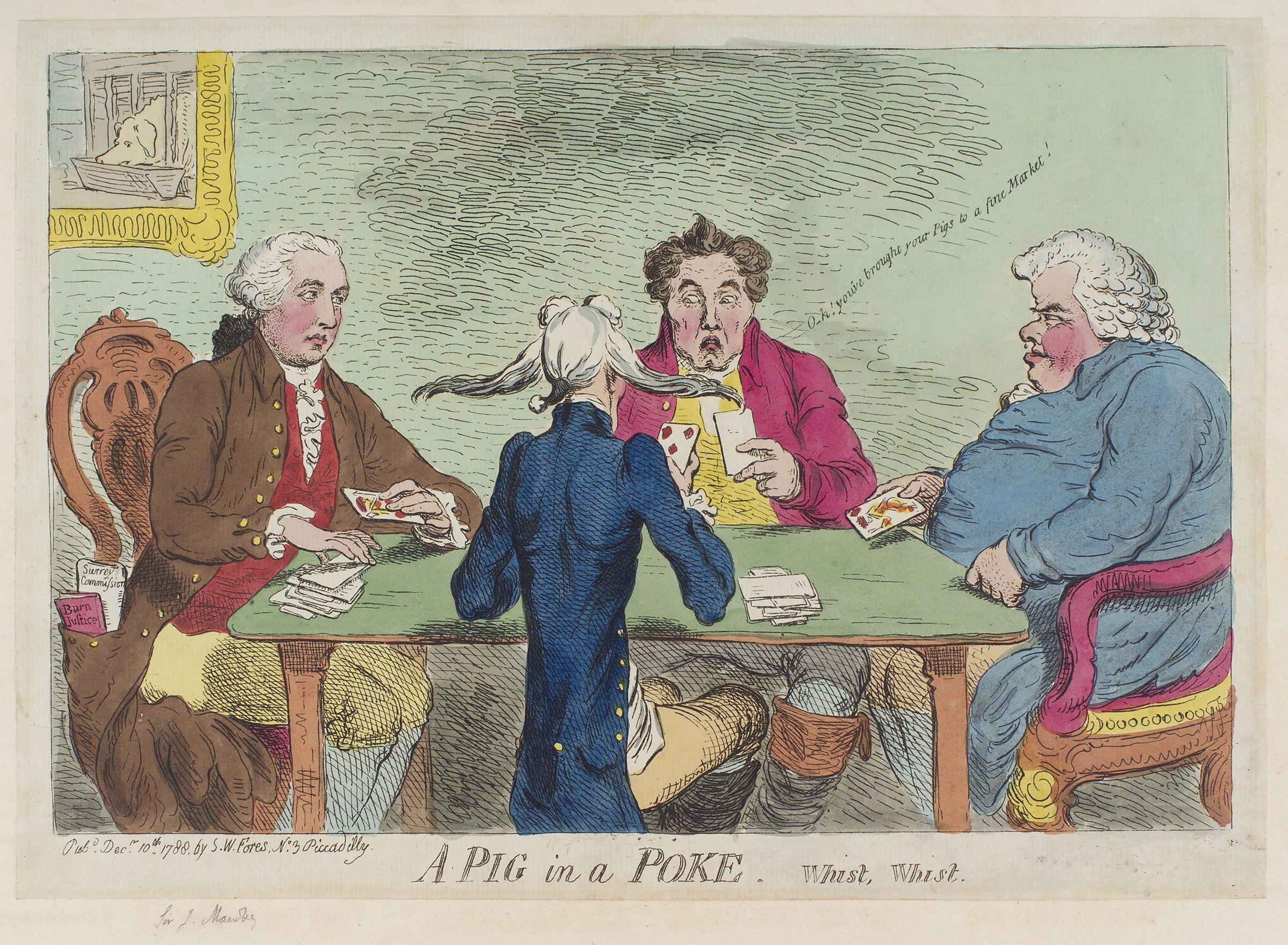
Bridge has roots in the 19th-century game Whist. It evolved into its modern form in the early 20th century and has since become a competitive and social game.
Bridge is not just a game; it's a social activity that fosters communication, camaraderie, and mental agility. It is often associated with intellectual pursuits.
Variations & House Rules
Popular variations include Rubber Bridge, Chicago Bridge, and Duplicate Bridge. Each variant introduces unique scoring and gameplay elements.
Experiment with different bidding systems and conventions to add complexity and excitement to your Bridge games.